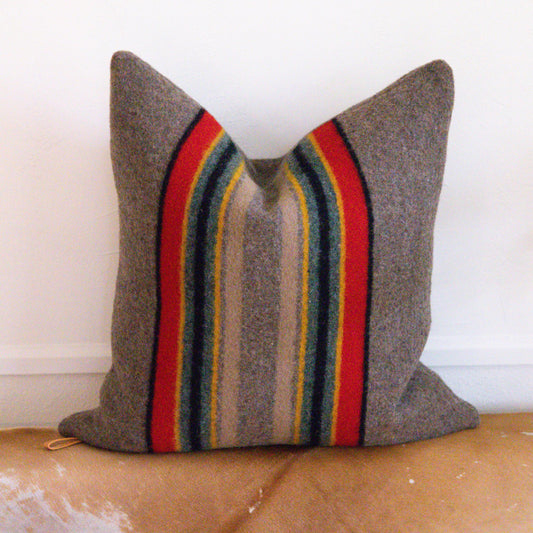
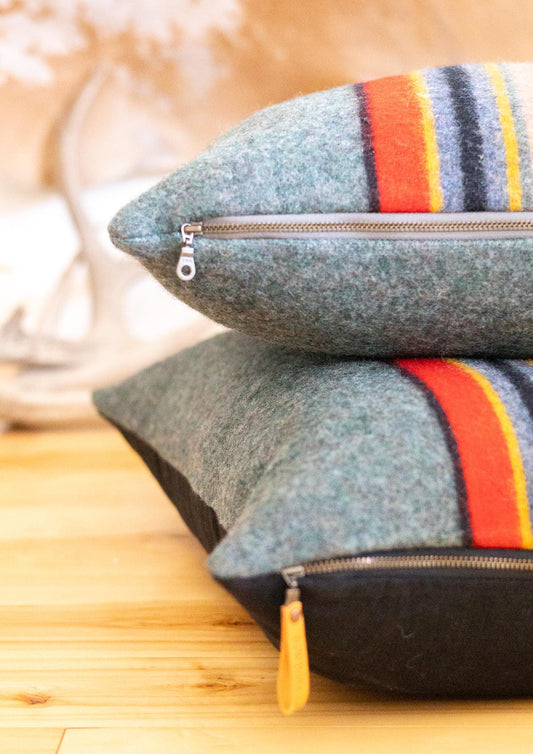
Laundry—it's the chore that never ends. Let's be honest, it's not always my favorite task. But there's one thing I do enjoy: that deeply satisfying feeling of a clean, refreshed space. Whether it's the living room, bedroom, or anywhere else that gets a little chaotic, giving pillow covers some much-needed TLC can instantly breathe new life into your home.

If you haven't already, now's the perfect time to show your pillow covers some love! With a few simple tips, you can keep them fresh, functional, and ready to survive whatever messes your family throws their way.
Can You Actually Wash Wool Pillow Covers?
Here's the question I get more than any other: can you really toss wool pillow covers in the washing machine? Short answer—yes, if they're machine-washable. The trick is in how you wash them.
The first thing to do, every single time, is check the care tag. I know, I know—reading the tag is unglamorous. But it's the difference between a pillow cover that lasts you ten years and one that comes out of the wash looking like a sad, shrunken relative of its former self. If your tag says "dry clean only," skip ahead to our care tips below. If it's labeled hand-wash or machine-washable, the routine I personally use is coming up.
Our Top 3 Tips for Pillow Cover Care
Keeping your pillow covers in great shape doesn't have to be a hassle. Here are our top three tips to ensure they stay clean, comfy, and huggable:
1. Shake Them Regularly
Is your pillow looking a little sad and misshapen? Time for a shake-up—literally! Shaking your pillow covers helps loosen surface dust and restores the filling to its proper fluffiness. Don't be shy—give it a couple of good smacks for extra effect.
Pro tip: Keep a vacuum nearby while you're shaking to capture any stray dust. If you're feeling extra ambitious, unzip the cover and give the inner pillow a thorough shake. It's oddly satisfying and makes a big difference!
2. Skip the Washer for Dry-Clean-Only Covers
Some pillow covers are labeled dry-clean-only for good reason—usually because of delicate trim, embellishments, or fiber blends that can't handle water. For those, hold off on the washing machine entirely. Washing them can lead to shrinking, distortion, or even damage to the fibers.
Instead, let wool's natural odor-resistant and antimicrobial properties do their job. For a quick refresh, hang your covers in a steamy bathroom for 10–15 minutes—it works wonders without the risk of damage.
3. Remember Wool's Worst Enemies
When it comes to wool pillow covers, bleach and conventional detergent are major no-nos. Even a little bleach can stiffen and discolor the fibers permanently, while larger amounts can dissolve them entirely (yikes!). Regular detergents can strip wool of its softness, strength, and shine.
Stick to wool-safe detergents or mild cleaning solutions designed for delicate fabrics. It might take a little extra effort, but your pillow covers will thank you with years of softness and style.

How I Wash My Wool Pillow Covers
Honestly? I don't hand-wash mine. I follow the same approach Pendleton uses for their machine-washable wool blankets—and after years of washing my own covers this way, they still look (and feel) like new.
Here's the exact routine I use at home for any machine-washable wool cover:
1. Machine wash on cold. Always cold water—never warm or hot. Hot water is wool's enemy and the fastest way to shrink and felt your covers.
2. Use the gentle or delicate cycle. This minimizes agitation, which is the other thing that ruins wool. If your washer has a "wool" or "hand-wash" cycle, even better.
3. No bleach. Ever. Bleach permanently damages wool fibers—even a splash. Use a wool-safe or mild detergent labeled for delicate fabrics.
4. Tumble dry on low. Yes, you really can put machine-washable wool in the dryer—but only on the lowest heat setting. Keep an eye on the cycle and pull them out while they're still slightly damp to avoid over-drying.
Pro tip: Pop your cover into a mesh laundry bag before tossing it in. It protects the fabric from snagging on zippers or other items in the load and gives you a little extra peace of mind.
That's it. No special cycles, no fuss, no expensive trips to the dry cleaner—just simple, gentle care that fits into a regular laundry day.
Prefer to Hand-Wash? Here's How.
If your cover is labeled hand-wash only, or you simply prefer the extra-gentle approach for your most delicate pieces, hand-washing is easy too. Fill a basin with lukewarm water (about the temperature of a baby's bath—comfortable, never hot), add a teaspoon of wool-safe detergent, and gently submerge your cover. Press it under the water without scrubbing, twisting, or wringing—wool fibers are sensitive to friction.
Let it soak for 10 minutes, then drain and rinse with fresh lukewarm water until the water runs clear. To dry, lay the cover flat on a clean towel, roll the towel up like a cinnamon roll to press out the water, then unroll and lay flat on a fresh towel to air-dry. Skip the dryer for hand-washed covers—lay them flat instead, out of direct sunlight, until completely dry.
How to Spot-Treat Stains on Wool
Spilled coffee on the couch? Pet had an accident? Don't panic—and please, don't reach for the bleach. Most fresh stains will lift out with a few simple steps:
1. Blot, don't rub. As soon as you notice a spill, press a clean white cloth into the area to absorb as much liquid as possible. Rubbing pushes the stain deeper into the fibers.
2. Dab with cool water. A barely-damp cloth—not soaked—lifts most water-based stains.
3. For stubborn stains, use a tiny amount of wool-safe detergent. Mix a single drop with cool water, dab it onto the stain with a clean cloth, then dab again with plain water to rinse.
4. Let it air-dry flat. No heat, no hairdryer, no aggressive scrubbing.
If a stain doesn't come out after one careful try, stop and take it to a dry cleaner who handles wool. It's worth the small cost to save a beautiful cover.
How Often Should You Wash Wool Pillow Covers?
Less often than you'd think! Wool is naturally antimicrobial and odor-resistant, which means it self-cleans in ways cotton and synthetics simply can't.
For most homes, washing two or three times a year is plenty—usually a deeper wash at the start and end of each season, with a quick freshen-up if something gets spilled. In between, all you really need to do is shake them out, give them a brief airing, and rotate covers between rooms so wear stays even.
If you have pets, kids, or a particularly enthusiastic snacker on the couch (no judgment—we've all been there), you may want to wash a little more often. Use your nose and your eyes: if it looks clean and smells fresh, it's clean.
Storing Wool Pillow Covers Between Seasons
If you swap covers seasonally, and you should, it's one of the easiest ways to refresh a room without a full redecorate. Want to take it a step further? A few pieces from our Mercantile collection, think candlelight, baskets, and vintage finds, add the finishing touch for a new season. And when you're ready to store your off-season covers, here's how to keep them looking new:
Wash or dry-clean them before storing. Tucking dirty covers away is how moths find dinner.
Fold them flat in a breathable cotton bag or old pillowcase. Plastic bins trap moisture and can lead to mildew, especially in humid homes.
Add a few cedar blocks or sachets of dried lavender. Both are natural moth deterrents, and they smell incredible when you pull your covers out next season.
Store somewhere cool, dark, and dry. Closets are perfect. Attics and basements usually aren't.
Final Thoughts
Caring for your pillow covers doesn't have to feel like a chore. By following these simple tips, you can keep them looking beautiful and feeling fresh, no matter how messy life gets. So grab those covers, show them some love, and enjoy the satisfaction of a refreshed, cozy space—even if you're tackling laundry for the umpteenth time this week!
Frequently Asked Questions
Can you wash wool pillow covers in the washing machine?
Yes, for covers labeled machine-washable. Use cold water on the gentle or delicate cycle, a wool-safe or mild detergent, and skip the bleach entirely. A mesh laundry bag adds a little extra protection. Always check the care tag first—dry-clean-only covers shouldn't go in the washer.
Can you put wool pillow covers in the dryer?
For machine-washable wool, yes—on the lowest heat setting only. Pull them out while still slightly damp to avoid over-drying. For hand-wash or dry-clean-only covers, skip the dryer and lay them flat to air-dry instead.
What detergent should I use to wash wool?
A pH-neutral, wool-safe detergent, or a mild detergent labeled for delicates. Avoid anything with bleach, enzymes, or strong fragrances. A few drops of baby shampoo will also work in a pinch.
How do you clean wool pillow covers without washing?
Shake them out, vacuum gently with a soft brush attachment, and air them outside (out of direct sunlight) for an hour or two. Wool's natural odor-resistance does most of the work for you.
Will wool pillow covers shrink?
They can—if exposed to hot water, friction, or aggressive washing. Cold water, gentle cycles, and low or no heat when drying are the rules that prevent shrinkage.